Organic Avocado and Your Well-being: Healthy Habits
There are things you don’t see on the plate but that you certainly notice in your body. Sleep quality. The state of your skin. That inner balance that goes unnoticed when it works well, but changes everything when it fails.
Diet influences all three. And the avocado, due to its specific nutritional composition, has a real and documented impact on these three areas that very few foods can match collectively.
At Eurofresh, we grow certified organic avocados in Spain, Peru, and the Dominican Republic, without pesticides or shortcuts. And we want to tell you why including it in your regular eating routine is a decision that goes far beyond the plate.
What does avocado have that other foods don’t?
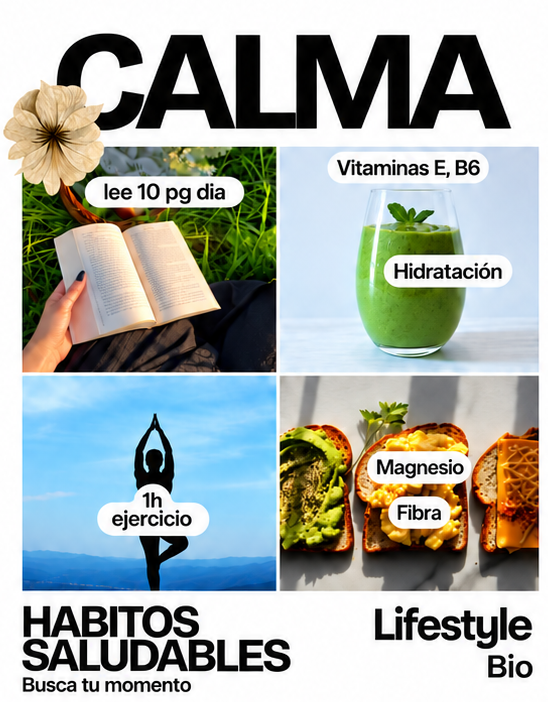
It is not just one single nutrient that makes it special. It is the combination. Avocado concentrates vitamin E, magnesium, folates, monounsaturated fatty acids, vitamin B6, potassium, and zinc in proportions that are particularly relevant for three systems of the body that are more connected than they seem: the skin, sleep, and hormonal balance.
And the fact that it is organic is no minor detail. Without pesticide residues that can act as endocrine disruptors, its nutrients reach the body without interference. In a context where hormonal disruption is increasingly frequent, this matters.
Avocado and the Skin: Nutrition from Within
The skin is the body’s largest organ and one of the first to reflect what is happening inside. Its condition depends largely on two factors: hydration and protection against oxidative damage.
The vitamin E in avocado is one of the most powerful antioxidants that exist for the skin. It protects cell membranes from damage caused by free radicals, slows down cellular aging, and contributes to maintaining the elasticity of the dermis. It is no coincidence that vitamin E is one of the most sought-after ingredients in cosmetics. The difference is that when you obtain it through avocado, it comes accompanied by natural cofactors that enhance its absorption.
The monounsaturated fatty acids in avocado, for their part, reinforce the skin’s lipid barrier—the layer that retains hydration and protects against external aggressions. Skin with a healthy lipid barrier does not dry out, recovers better from the sun, and ages more slowly.
Added to this is vitamin C, also present in our avocado, which is essential for collagen synthesis. Without vitamin C, the body cannot produce collagen efficiently. And without collagen, the firmness and structure of the skin deteriorate.
The result of all this is not immediate, but it is cumulative. Including avocado regularly in your diet is one of the most direct ways to care for your skin from within, without the need for any supplements.
Avocado and Sleep: The Role of Magnesium and Vitamin B6
Sleep is one of the most undervalued pillars of health. It is also one of the most sensitive to nutritional deficiencies. Two nutrients are particularly relevant to the quality of rest: magnesium and vitamin B6. Avocado provides significant amounts of both.
Magnesium is the mineral of the nervous system. It participates in the regulation of cortisol, helps relax muscles, and promotes the transition to deep sleep. Its deficiency, which is much more common than believed, is directly associated with insomnia, shallow sleep, and difficulty disconnecting. Our avocado, grown in soils rich in organic matter without artificial fertilizers, provides this mineral in its most bioavailable form.
Vitamin B6 plays an equally important role: it is a cofactor in the synthesis of melatonin and serotonin, the two molecules that regulate the sleep cycle and mood. Without sufficient vitamin B6, the body cannot produce melatonin efficiently, which translates into difficulty falling asleep and poorer quality rest, even if the hours remain the same.
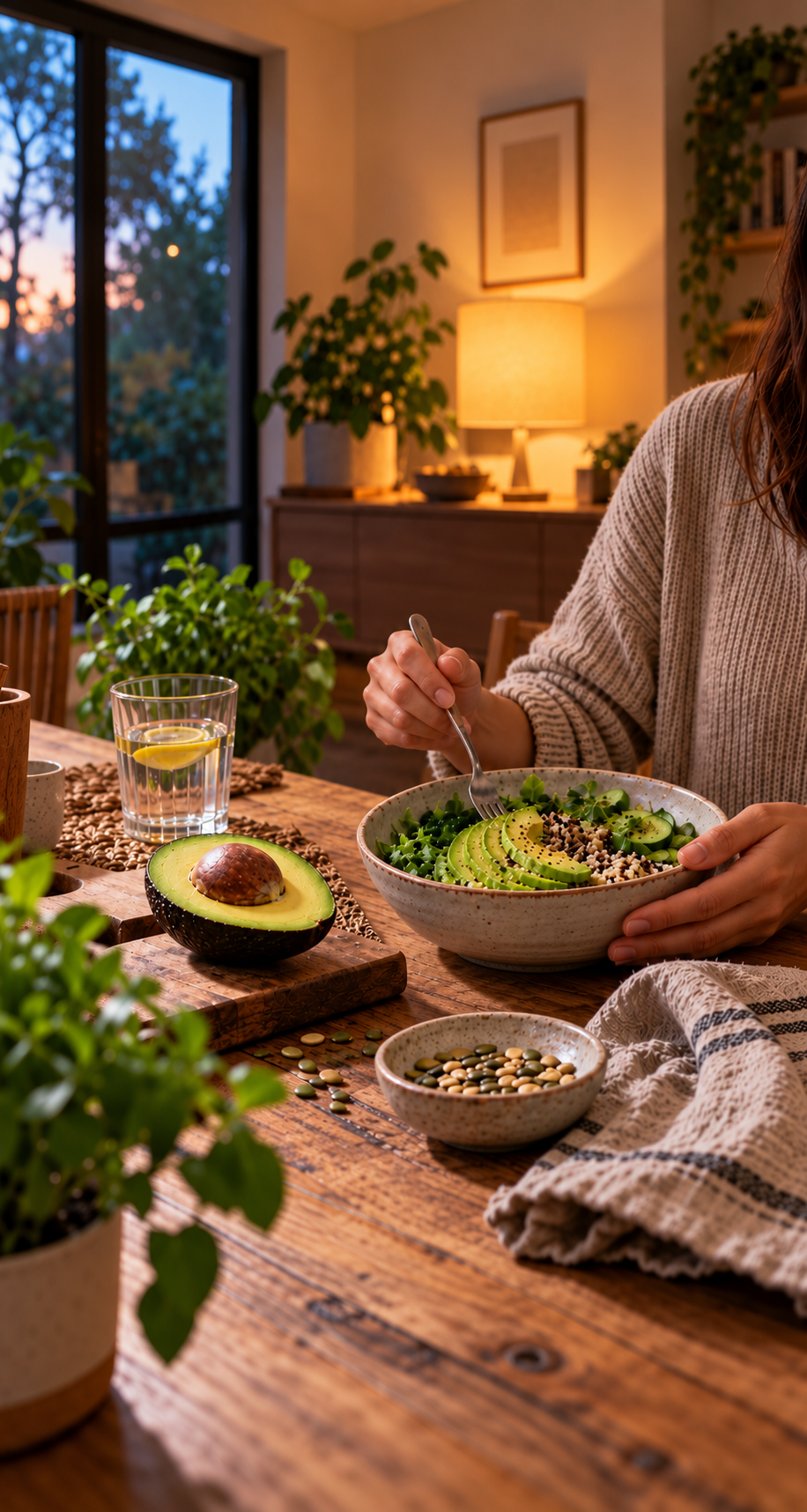
Including avocado in your dinner—in a cold cream, on toast, or in a light bowl—is a simple and natural way to support the body in that process of transitioning toward rest.
Avocado and Hormonal Balance: An Ally That Acts in Silence
Steroid hormones, such as estrogen, progesterone, and cortisol, are synthesized from cholesterol, so a diet too low in fat can affect their production. The monounsaturated fatty acids in avocado promote hormonal balance without promoting inflammation, unlike an excess of saturated or trans fats.
The folates (vitamin B9) in avocado participate in methylation, a process that regulates the expression of genes related to hormonal balance and fertility. Zinc is essential for thyroid function and the regulation of the menstrual cycle.
Some conventional pesticides can act as endocrine disruptors, mimicking or blocking natural hormones. Choosing organic avocado helps reduce exposure to certain residues of these pesticides.
How often and how to incorporate it?
You don’t need to eat avocado every day. Three or four times a week, as part of a varied diet, is enough for its effects on the skin, sleep, and hormonal balance to accumulate over time.
In the morning, at breakfast, its fat slows down the absorption of carbohydrates and stabilizes blood sugar, which has a direct effect on morning cortisol. At lunch, as a base for a bowl or in a salad, it enhances the absorption of nutrients from the rest of the dish. At night, in a light preparation, its magnesium and vitamin B6 support the transition toward rest.
The healthiest way to eat it is, quite simply, whichever way you prefer. Its properties are maintained whether raw, cooked, in a cream, or in guacamole. What matters is regularity.
Skin, Sleep, and Hormones: Three More Reasons to Choose Organic
We live in a time where there is a lot of noise surrounding well-being. Supplements, protocols, routines. And sometimes we forget that the foundation lies in everyday decisions: what you put on your plate, where it comes from, and how it was grown.
Organic avocado is one of those decisions. Small in appearance, significant in accumulation. A food that cares for the skin from within, supports rest, and respects hormonal balance without interference. And furthermore, grown with respect for the soil and without pesticides, it reaches your table just as nature designed it.